Offer for home
Offer for gyms
Panel B2B
about us
HMS brand
News
NEW GENERATION OF PRODUCTS
QUALITY
We support champions
Where to buy
Contact
Support
Catalogs
Sets of exercises
Manuals
Service
Blog
PL
EN
DE
CS
SK
PL
strength equipment
Home gyms, Crossovers, Smith Machines
Home gym stations
smith machines
Gym handles
Power cages
Power rack
Benches and multifunctional benches
exercise benches
lifting benches
Pull-up bars
Mounted pull-up bars
Doorway pull-up bars
Gym racks
Gym accessories
gloves
gym belts
other gym accessories
Magnesia
Straps and hooks
Clamps and Grips
Functional training
Ropes
Plyometric boxes
Functional training accessories
Bags
Training tires
Handles
Vests and belts
cardio equipment
Exercise bikes
Mechanical resistance bikes
Magnetic resistance bikes
Electromagnetic resistance bikes
Air resistance bikes
Elliptical trainers
Mechanical resistance elliptical trainers
Magnetic resistance elliptical trainers
Electromagnetic resistance elliptical trainers
Air resistance elliptical trainers
Air-magnetic resistance elliptical trainers
Treadmills
Electric treadmills
Rowing machine
Air resistance rowing machine
Magnetic resistance rowing machine
Water resistance rowing machine
Training stairs
Steppers
vertical steppers
oblique steppers
Massagers
Cardio accessories
Bars and loads
Barbells and bars
Bars
barbells
Weights
Plates
chains
Dumbells
fixed dumbbells
knuckle dusters
adjustable dumbbells
Kettlebells
Chrom kettlebells
Rubber kettlebells
Composite kettlebells
Adjustable kettlebells
Cast iron kettlebells
Fitness
Massage accessories
Massage Rollers, Wheels and Balls
Massage gun
back stretchers
Electrostimulators
Vibrating platforms
Expanders and training bands
Expanders
Resistance bands
Fitness accessories
Hand grippers
Yoga and pilates accessories
Training bands
Bags and backpacks
Other fitness accessories
Hula hoop
Mats and mattresses
Acupressure mats
Yoga mats
Mattresses for gymnastics
Club mats
Mats and platforms
Braces and stabilizers
Wrapped stabilizers
Elbow stabilizers
Knee stabilizers
Wrist stabilizers
Ankle stabilizers
Stabilizers
Stabilizing straps
Other stabilizers
Strap weights
Shapewear
Slimming shorts
Corsets
slimming shirts
Exercise balls
gym balls
Medicine balls
Skipping ropes
Steps
New products
Search
0
HMS
Offer
Cardio training
zamknij
Cardio training
Exercise bikes
Elliptical trainers
Treadmills
Rowing machine
Training stairs
Steppers
Massagers
Cardio accessories
Cardio training
Kategorie i filtry
Order by:
Latest
The oldest
Name A→Z
Name Z→A
New
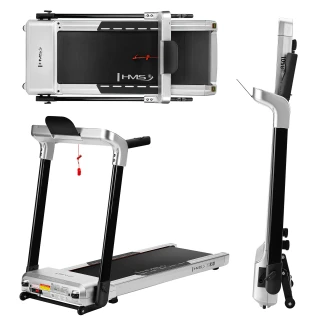
BE8501i FOLDING ELECTRIC TREADMILL HMS
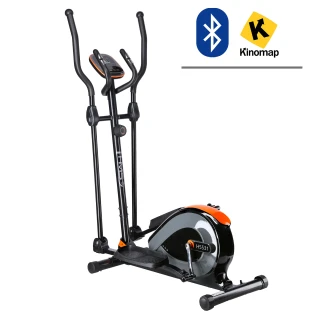
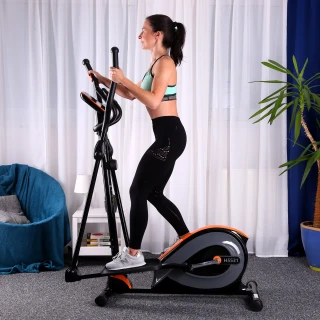
H5531-i MAGNETIC ELLIPTICAL TRAINER HMS
New
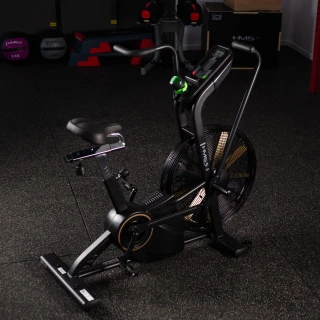
MP5458 AIR BIKE SEMI COMMERCIAL HMS
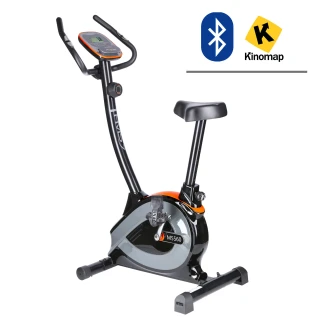
M5560-i MAGNETIC BIKE HMS
Sale
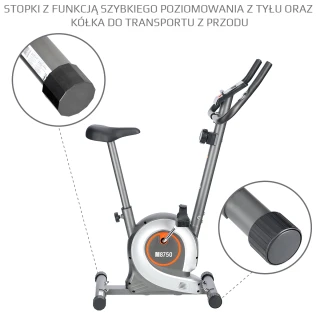
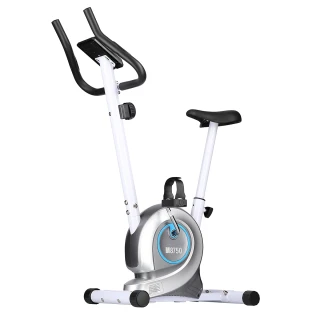
M8750 MAGNETIC BIKE HMS
Sale
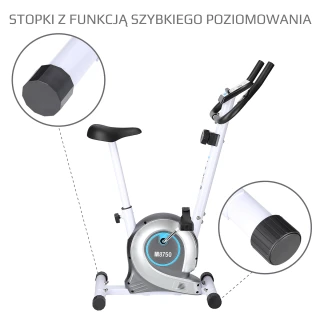
M8750 ROWER MAGNETYCZNY HMS
Sale
M8750 ROWER MAGNETYCZNY HMS
H9249V MAGNETIC ELLIPTICAL BIKE HMS
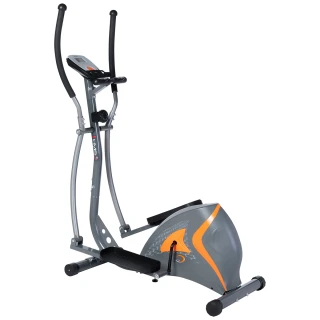
H9249 MAGNETIC ELLIPTICAL BIKE HMS
H2205 MAGNETIC ELLIPTICAL BIKE HMS
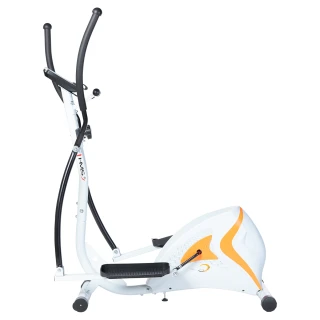
H2205 MAGNETIC ELLIPTICAL BIKE HMS
ZM1801 MAGNETIC ROWING MACHINE HMS
Sale
S3085 TWIST STEPPER WITH STICKS HMS
Sale
S3033 TWIST STEPPER HMS
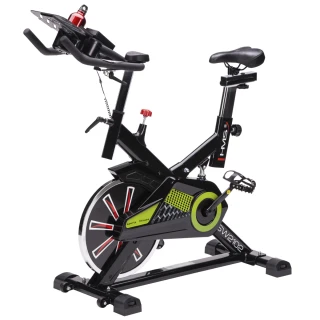
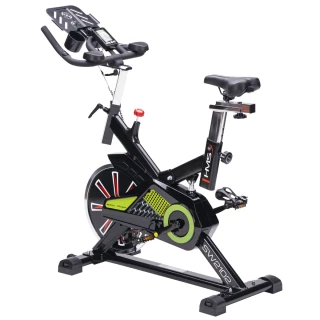
SW2102 LIME SPEED BIKE HMS
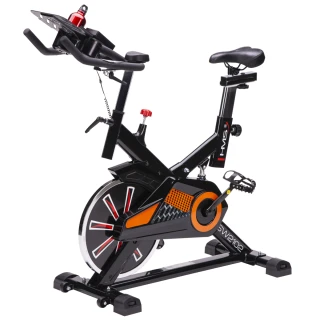
SW2102 SPEED BIKE HMS
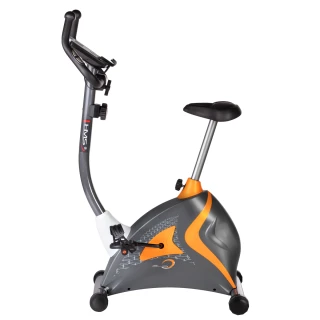
M2005 MAGNETIC BIKE HMS
M2005 MAGNETIC BIKE HMS
LOOP12 BLACK ELECTRIC TREADMILL HMS
LOOP12 MULTI GRAY ELECTRIC TREADMILL WITH TABLE HMS
LOOP08 PINK ELECTRIC TREADMILL HMS
LOOP06 PINK ELECTRIC TREADMILL HMS
BE06 ELECTRIC TREADMILL LOOP WALK
Sale
PT002 TELEMETRY CHEST BELT HMS
MDS20 FOOT MASSAGER LOOP
Sale
S3085 TWIST STEPPER WITH STICKS HMS
Sale
S3033 TWIST STEPPER HMS
Sale
S3033 TWIST STEPPER HMS
STB12 TREADMILL DESK FOR LOOP12 HMS
LOOP12 GRAY ELECTRIC TREADMILL HMS
LOOP12 MULTI BLACK ELECTRIC TREADMILL WITH TABLE HMS
LOOP08 GRAY ELECTRIC TREADMILL HMS
LOOP06 ELECTRIC TREADMILL HMS
BE3200 ELECTRIC TREADMILL HMS
BE3601-i ELECTRIC TREADMILL HMS
BE3600 ELECTRIC TREADMILL HMS
BE8535 ELECTRIC TREADMILL HMS
Sale
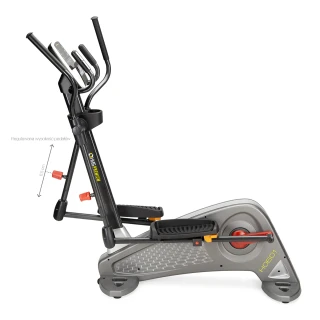
H6319 MAGNETIC ELLIPTICAL TRAINER HMS PREMIUM
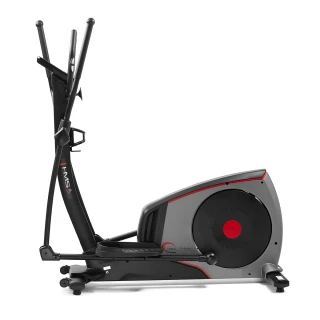
H0601 MAGNETIC ELLIPTICAL BIKE HMS PREMIUM
Sale
H5813-i MAGNETIC ELLIPTICAL BIKE HMS
Sale
SWL9140 SPEED BIKE HMS
Sale
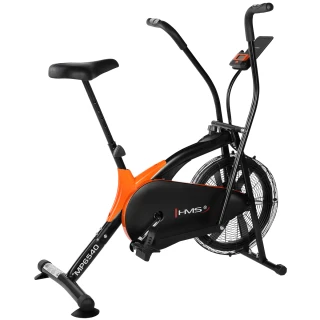
MP6540 AIR BIKE HMS
Sale
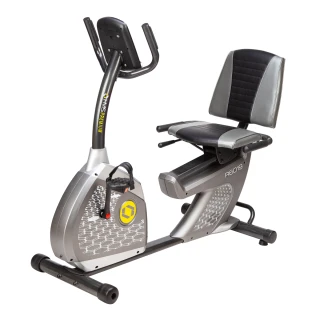
R6019-i RECUMBENT MAGNETIC BIKE HMS PREMIUM
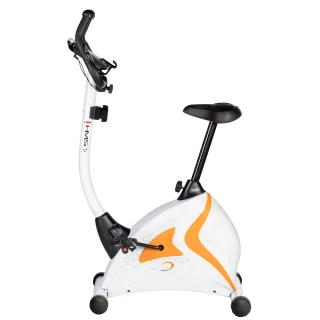
M9239 PRIME MAGNETIC BIKE HMS
M9239* PLUS MAGNETIC BIKE HMS
club offer
H1742 MAGNETIC ELLIPTICAL BIKE WITH GENERATOR SYSTEM HMS PREMIUM
M6152 ELECTROMAGNETIC BIKE HMS PREMIUM
M6995 MAGNETIC BIKE HMS
Top up next
Previous
1
(Current)
2
3
Next
×
Modal